
Challenges of Energy Policy in Korea from the Perspective of Industrial Competitiveness

3:35 pm - 4:00 pm

From this presentation, Dr. Sangjun Lee analyzes the structural challenges facing South Korea's power market and their detrimental impact on industrial competitiveness. Korean manufacturing faces a "sandwich crisis," squeezed between global protectionism and low-cost competition from China, exacerbated by a surge in industrial electricity rates—up over 50% in recent years—and a lack of policy support for high renewable energy costs. This presentation highlights that major industries, including semiconductors, steel, and chemicals, are losing their "capacity to pay" while competitors in China benefit from significantly lower power costs. 

To address these issues, Dr. Lee proposes a comprehensive reform of the power market structure, transitioning from the current system to a future model featuring real-time markets, auxiliary service markets, and two-way price bidding to enhance efficiency and transparency. Additionally, the presentation advocates for expanding corporate Power Purchase Agreements (PPAs) and self-generation to bypass state utility limitations. Crucially, it recommends specific policy incentives, such as exempting network usage fees and industry levies for PPA contracts to support the cost competitiveness of export-driven industries. 
Featured Speakers

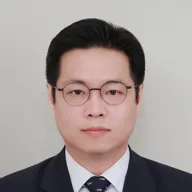
Sangjun Lee

Prof. Sangjun Lee

Associate Professor, Seoul National University of Science and Technology

Dr. Sangjun Lee is an associate professor in the Department of Energy Policy at Seoul National University of Science and Technology (Seoultech). His primary field is resource and environmental economics focusing on climate change policies. Currently, he teaches and conducted research about climate policy in Korea focusing decarbonization of industrial and power sector.  

Before joining Seoultech, he worked for Korea Energy Economics Institute (KEEI) for 9 years. During his career at KEEI, he has several opportunities in the development of several major climate policies in Korea. He participated in the working group for preparing the Korea’s NDC (Nationally Determined Contribution) and Carbon Neutrality Pathways. He also was a member of Korean delegation in the climate negotiations such as UNFCCC Conference of Parties (COP).  

Lee received his bachelor's and master's degrees in agricultural economics from Seoul National University, Seoul, South Korea. He also received his Ph.D. in resource economics from Michigan State University, East Lansing, Michigan, United States. His contributions to Korea’s climate change policy have been recognized by the Minister of Trade, Industry and Energy Award in 2015 and the Minister of Climate, Energy and Environment Award in 2025.